Key Takeaways
- Developers describe coding goals in plain English, letting AI handle technical implementation details.
- AI-generated code has 30.5% error rate, requiring careful human review and oversight.
- Best for rapid prototyping and beginners, less suitable for complex enterprise applications.
Why It Matters
Programming just got a philosophical upgrade. Instead of meticulously planning every semicolon, developers can now channel their inner coding mystic and simply describe what they want their software to do. The AI figures out the nitty-gritty while you focus on the big picture—like having a very patient, very fast intern who never complains about impossible deadlines.
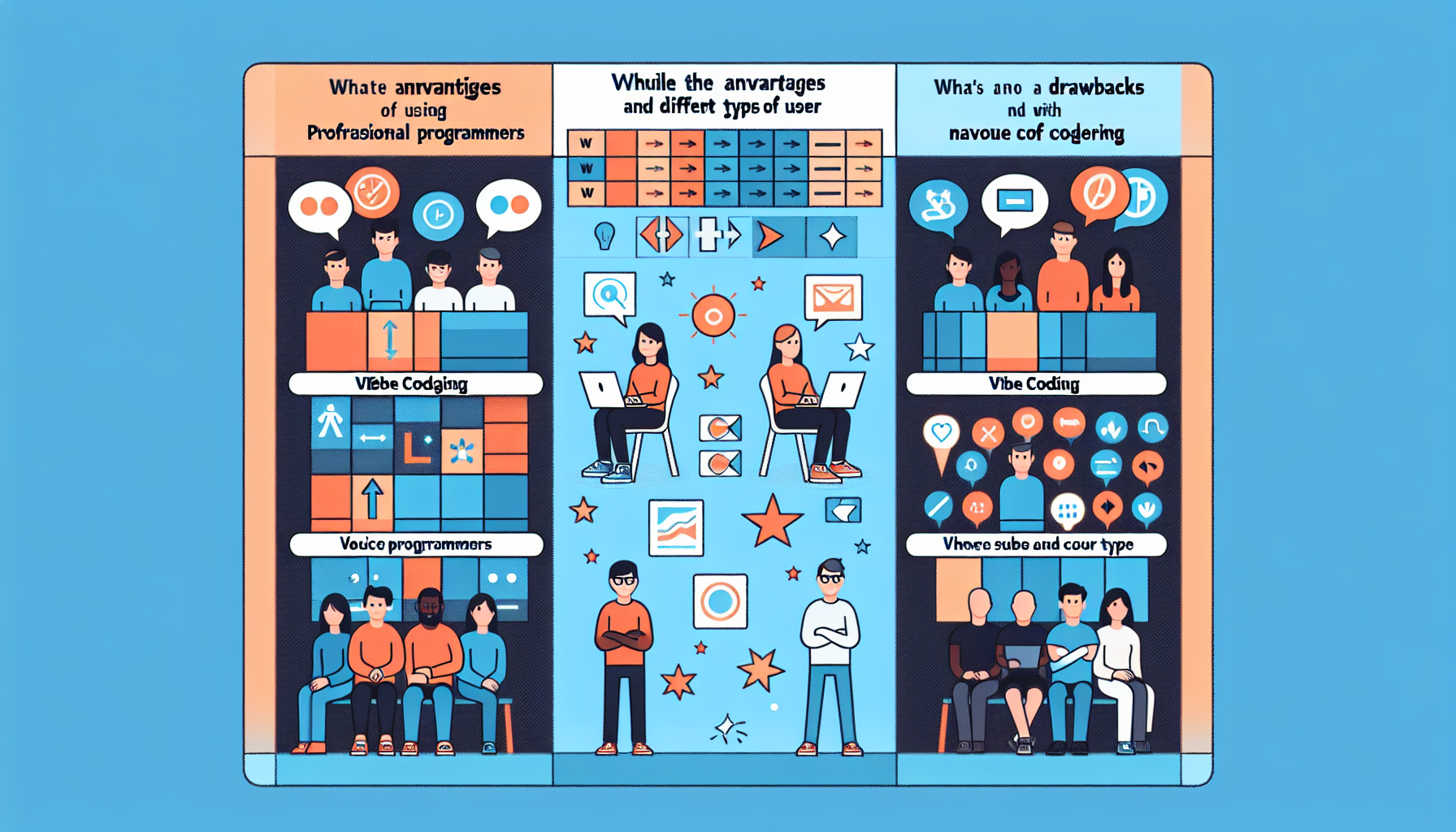
This approach democratizes software development in ways that would make computer science professors simultaneously proud and terrified. Newcomers can build functional apps without memorizing syntax rules, while experienced developers report saving 2-3 hours weekly by letting AI handle routine tasks. However, the 30.5% error rate in AI-generated code means someone still needs to play quality control—preferably someone who knows a bug from a feature.
The real magic happens in the middle ground between human intuition and machine precision. Vibe coding works brilliantly for rapid prototyping and learning, but complex enterprise systems still need the traditional approach of careful planning and meticulous review. Think of it as the difference between sketching your dream house and actually building one that won't collapse—both have their place, but you probably want an architect involved somewhere in the process.