Key Takeaways
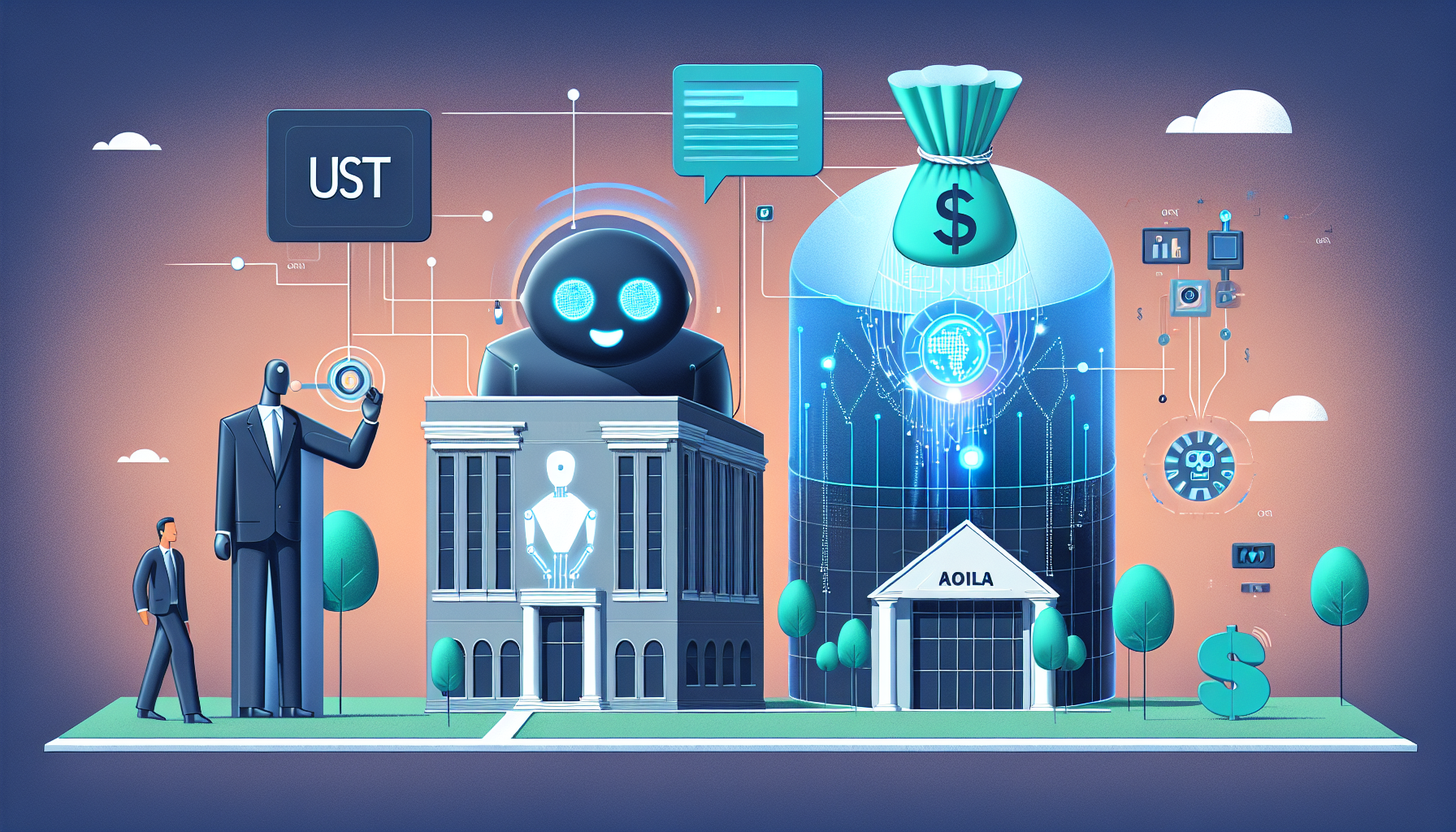
- UST invests undisclosed amount in aiOla's voice-agentic AI platform for enterprise workflows
- Platform converts speech into structured data, capturing triple the information three times faster
- Technology targets frontline workers in healthcare, manufacturing, retail, and automotive sectors
Why It Matters
While most AI investments focus on making back-office processes smarter, UST is betting on something more immediately useful: teaching computers to actually listen to the humans doing the real work. The aiOla platform represents a shift from the typical "type everything twice" approach that plagues frontline workers who spend more time updating systems than actually working.
The timing makes sense given that enterprises have been struggling with what UST calls "collection lag" - valuable frontline data scattered across clipboards, keyboards, and fragmented apps that never talk to each other. By turning natural speech into structured, auditable workflows, aiOla promises to solve the age-old problem of getting information from the field into corporate systems without requiring workers to become data entry specialists.
What's particularly clever about this approach is its focus on industry-specific jargon and terminology, acknowledging that a pharmaceutical worker and a manufacturing technician don't speak the same language. The platform's ability to adapt to site-specific terminology while maintaining consistent processes across locations could finally bridge the gap between corporate standardization and operational reality. For UST, this investment strengthens their position in the increasingly crowded AI transformation market by focusing on the human-machine interface rather than just raw computational power.