Key Takeaways
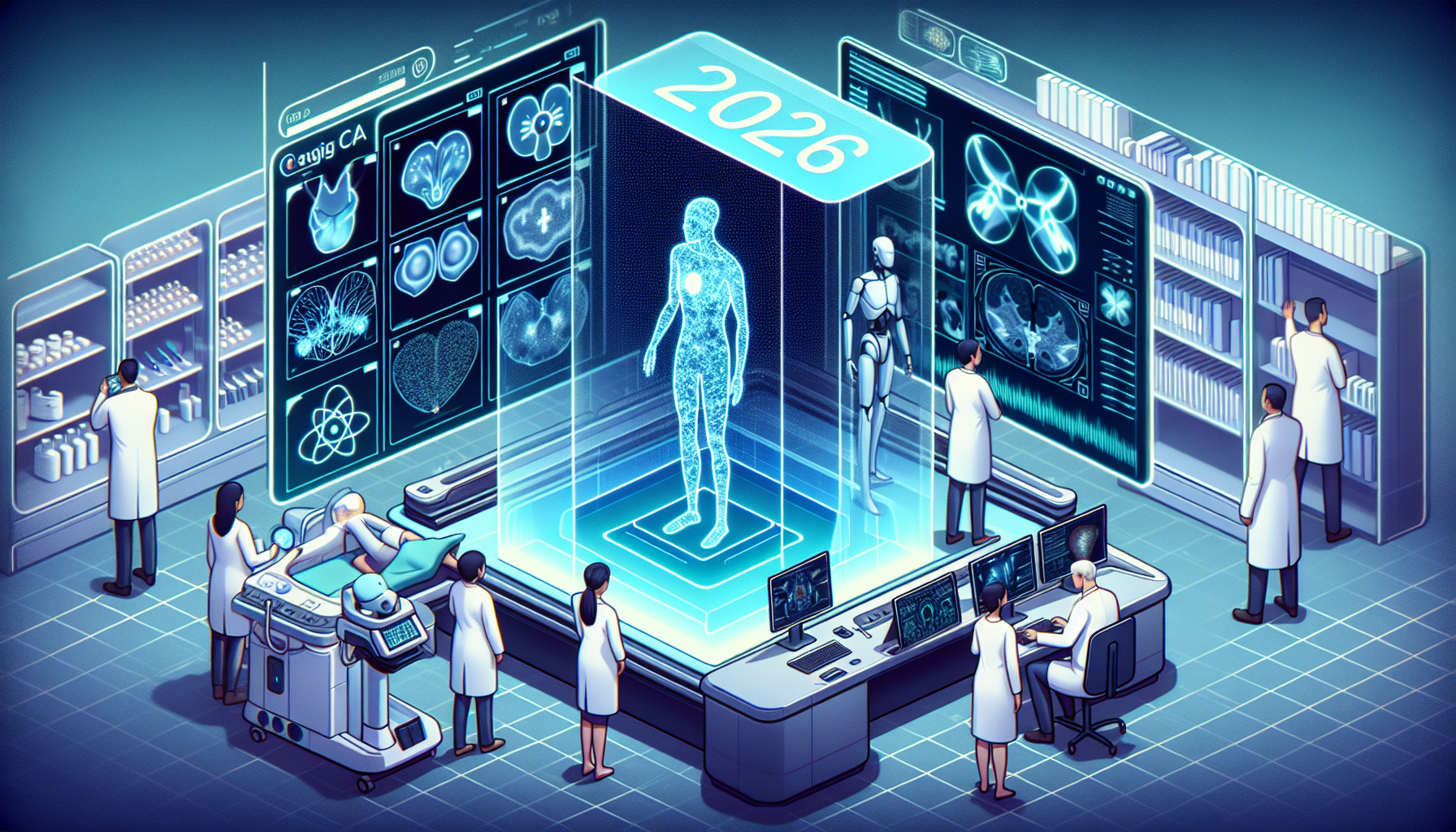
- TensorFlow enables automated medical imaging analysis for X-rays, MRIs, and CT scans in 2026
- AI diagnostic tools match or exceed human performance in detecting tumors and anomalies
- Healthcare providers reduce diagnosis time while maintaining HIPAA and GDPR compliance standards
Why It Matters
Healthcare is getting a serious AI makeover, and TensorFlow is leading the charge like a caffeinated radiologist with superhuman vision. The platform's computer vision capabilities are transforming how doctors analyze medical images, turning what used to be hours of careful examination into minutes of automated precision. This isn't just about making things faster—it's about catching diseases earlier and reducing the human error that inevitably creeps in when overworked physicians are squinting at their thousandth scan of the day.
The business implications are staggering for healthcare organizations willing to embrace this technological shift. Hospitals can now scale their diagnostic operations without hiring armies of specialists, while smaller clinics gain access to enterprise-level analytical capabilities that were previously out of reach. The predictive analytics component is particularly intriguing, as it allows healthcare providers to anticipate patient needs before symptoms become critical—essentially giving doctors a crystal ball that actually works.
What makes this development particularly significant is the timing coinciding with healthcare's post-pandemic digital transformation. Medical institutions are no longer asking whether they should adopt AI, but rather how quickly they can implement it without compromising patient safety or regulatory compliance. TensorFlow's mature ecosystem and security features address these concerns while providing a clear path from experimental models to production-ready diagnostic tools that could reshape healthcare delivery across the globe.