Key Takeaways
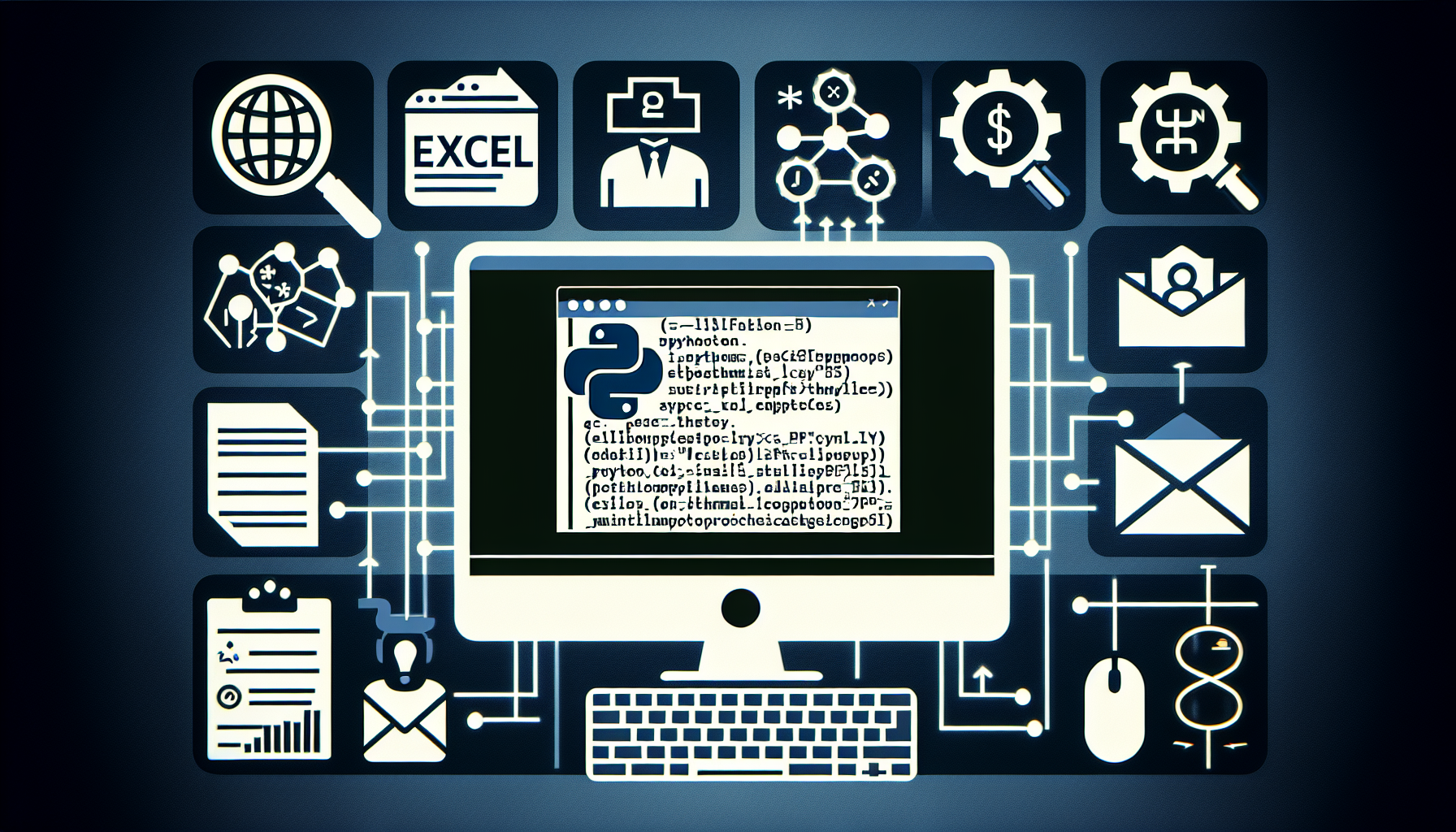
- Python automation streamlines repetitive business tasks across Excel, email management, and data collection.
- Businesses can reduce manual labor costs while improving accuracy and processing speed.
- Automation tools democratize efficiency gains previously available only to large tech companies.
Why It Matters
The revelation that most people don't hate their jobs might surprise cynics, but what they probably hate are the mind-numbing repetitive tasks that eat up their days. Python automation offers a lifeline to the millions of workers drowning in spreadsheet updates, email sorting, and manual data entry. When businesses can automate these soul-crushing activities, employees get to focus on work that actually requires human creativity and judgment.
The economic implications are substantial. Companies spending thousands on administrative overhead can redirect those resources toward growth initiatives. Python's accessibility means small businesses can now deploy automation solutions that were once exclusive to enterprises with dedicated IT departments. This levels the playing field and forces larger competitors to innovate beyond their traditional advantages.
The timing couldn't be better as remote work has made digital efficiency more critical than ever. Teams scattered across time zones need systems that work without constant human intervention. Python automation becomes the invisible workforce that keeps operations humming while humans sleep, creating a competitive advantage that compounds over time. The businesses that embrace this shift early will find themselves with cleaner data, faster processes, and happier employees who can finally do the work they were hired to think about.