Key Takeaways
- IPA combines RPA with AI to automate complex decision-making, not just repetitive tasks
- Systems integration eliminates silos between CRM, ERP, and other business software platforms
- Real-time AI analysis reduces human error while enabling scalable operations without additional staff
Why It Matters
Business processes have become the digital equivalent of a Rube Goldberg machine—overly complex contraptions that somehow get the job done, but with enough moving parts to make an engineer weep. Intelligent Process Automation promises to untangle this mess by combining the brute force of robotic automation with the thinking power of artificial intelligence. The result is systems that don't just follow orders blindly but actually make decisions based on data patterns.
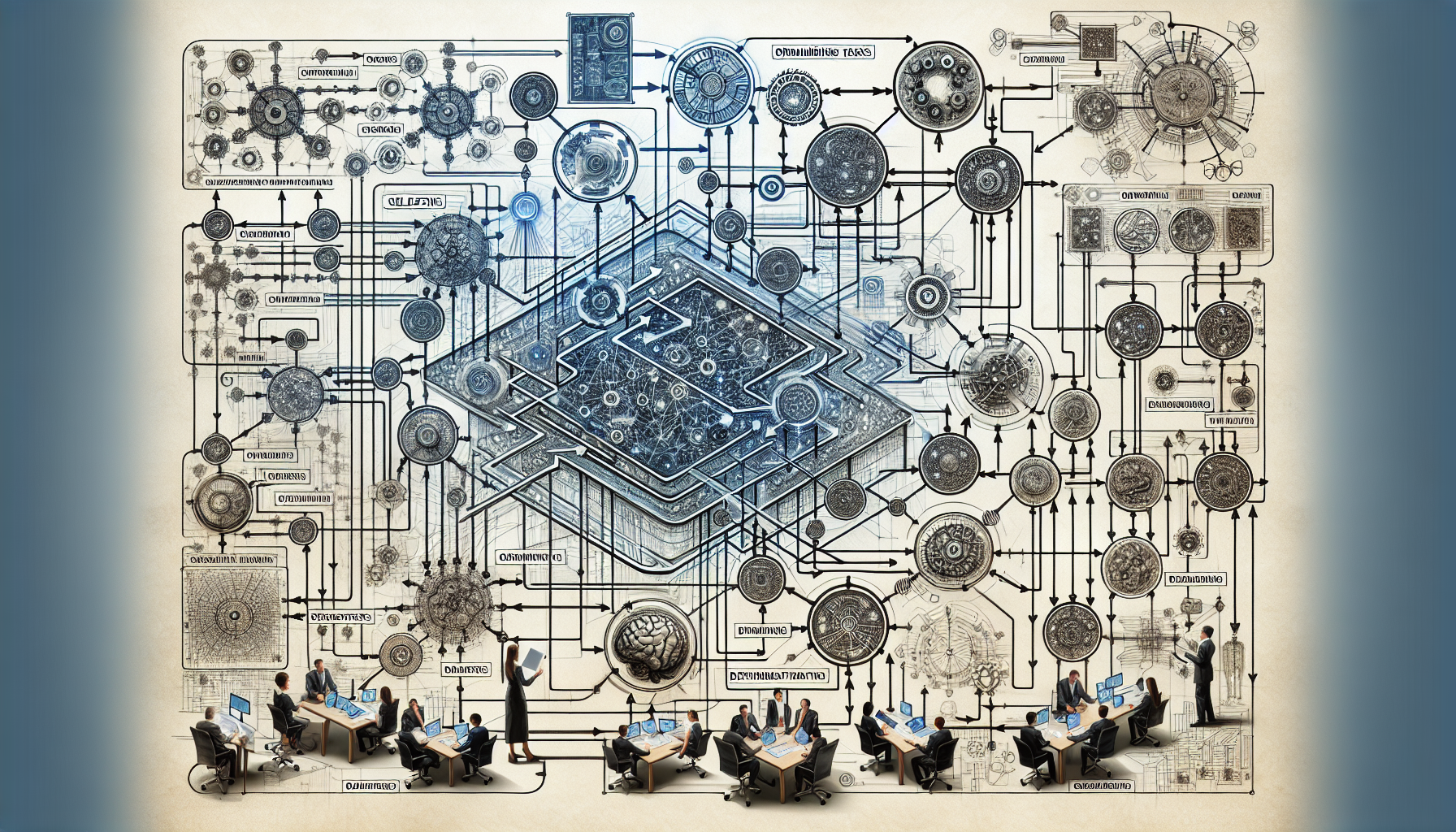
The real magic happens when IPA starts connecting disparate business systems that previously lived in isolation like antisocial roommates. Your CRM finally talks to your ERP, which chats with your inventory management system, creating a harmonious digital ecosystem instead of a Tower of Babel situation. This integration doesn't just speed things up—it eliminates the human bottlenecks that turn simple processes into multi-day adventures involving spreadsheets, email chains, and the occasional stress-induced coffee spill.
Perhaps most importantly, IPA addresses the scalability problem that haunts growing businesses. Traditional solutions require hiring more people to handle increased workload, but intelligent automation lets companies grow without proportionally expanding their workforce. This means businesses can handle Black Friday-level demand without turning their office into a temporary refugee camp for overwhelmed employees. The technology essentially gives companies superpowers—the ability to process more work, make fewer mistakes, and respond faster to customer needs without breaking the bank or their employees' sanity.