Key Takeaways
- AI testing platform uses natural language assertions instead of brittle code selectors
- Teams report 10x faster test creation and 70% less maintenance effort
- Tests adapt automatically to UI changes without breaking the entire pipeline
Why It Matters
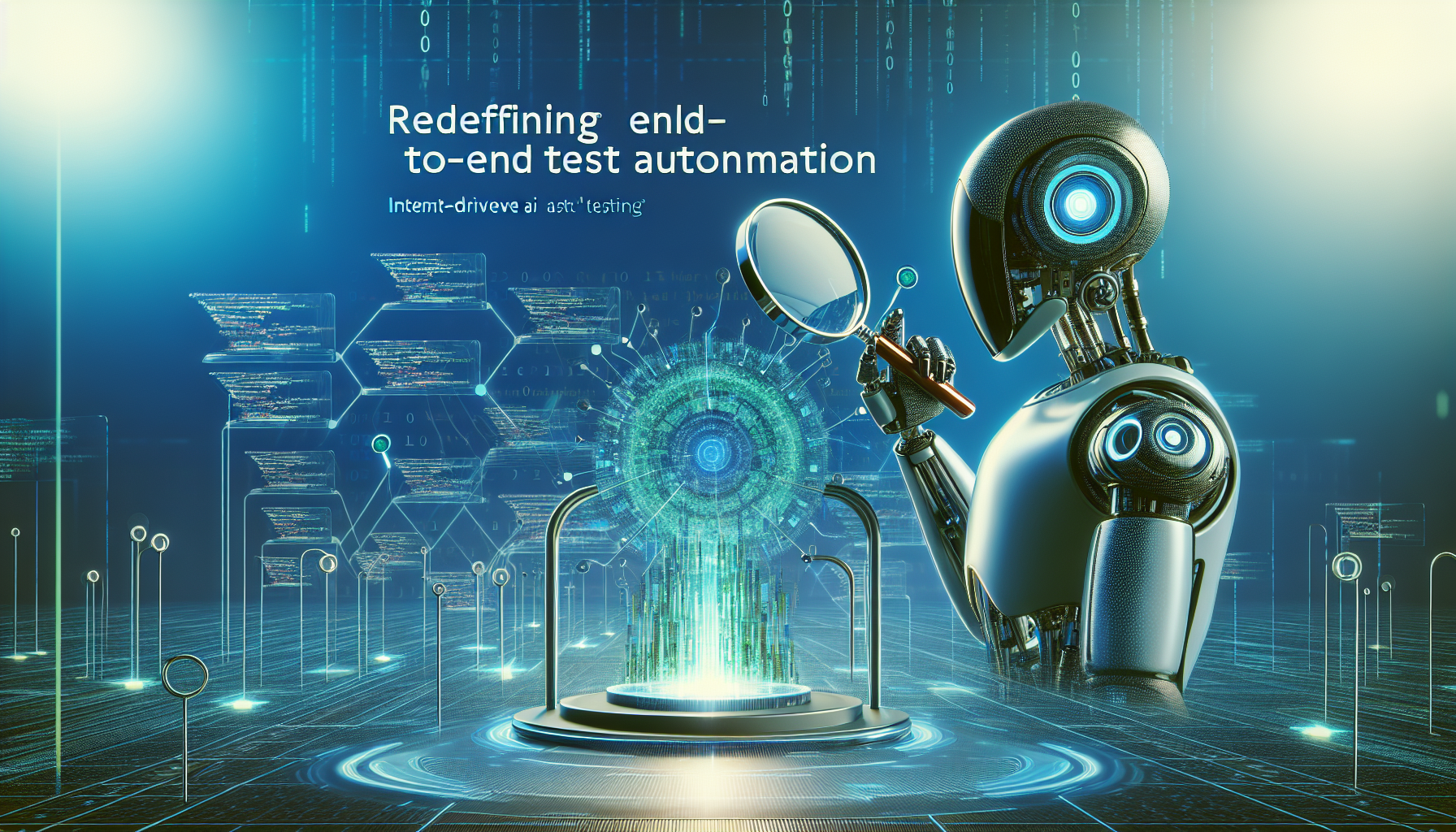
Software testing has been stuck in a peculiar time warp where teams write elaborate scripts to check if a button exists, only to watch everything crumble when designers move said button three pixels to the left. It's like hiring a food critic who can only tell you the exact molecular composition of a dish but can't say whether it tastes good. Harness is trying to fix this absurdity by letting testers ask simple questions like "Did the login work?" instead of writing novels about CSS selectors.
The timing couldn't be better, considering that 70-80% of organizations still rely heavily on manual testing—a statistic that would be embarrassing if it weren't so common. While everyone talks about DevOps and continuous delivery, most teams are still clicking through applications like it's 2005. The promise of AI-powered testing that actually understands context rather than just following rigid instructions could finally bridge this gap between automation ambitions and reality.
What makes this approach particularly clever is that it sidesteps the traditional AI problem of hallucination by constantly checking against real application state. Instead of generating code once and hoping for the best, the AI evaluates assertions against live data every single time. This means tests can handle dynamic content like transaction tables or inventory updates without requiring a computer science degree to maintain. For an industry that's spent decades making simple things complicated, this feels refreshingly backwards—in the best possible way.