AI-Assisted Test Automation: Real-World Experience with Playwright Agents and GitHub Copilot
Key Takeaways
- GitHub Copilot excels at generating boilerplate test code, data fixtures, and API patterns instantly
- AI struggles with domain-specific business logic and sometimes suggests outdated testing methods
- Best results require human oversight, descriptive comments, and established coding standards for context
Why It Matters
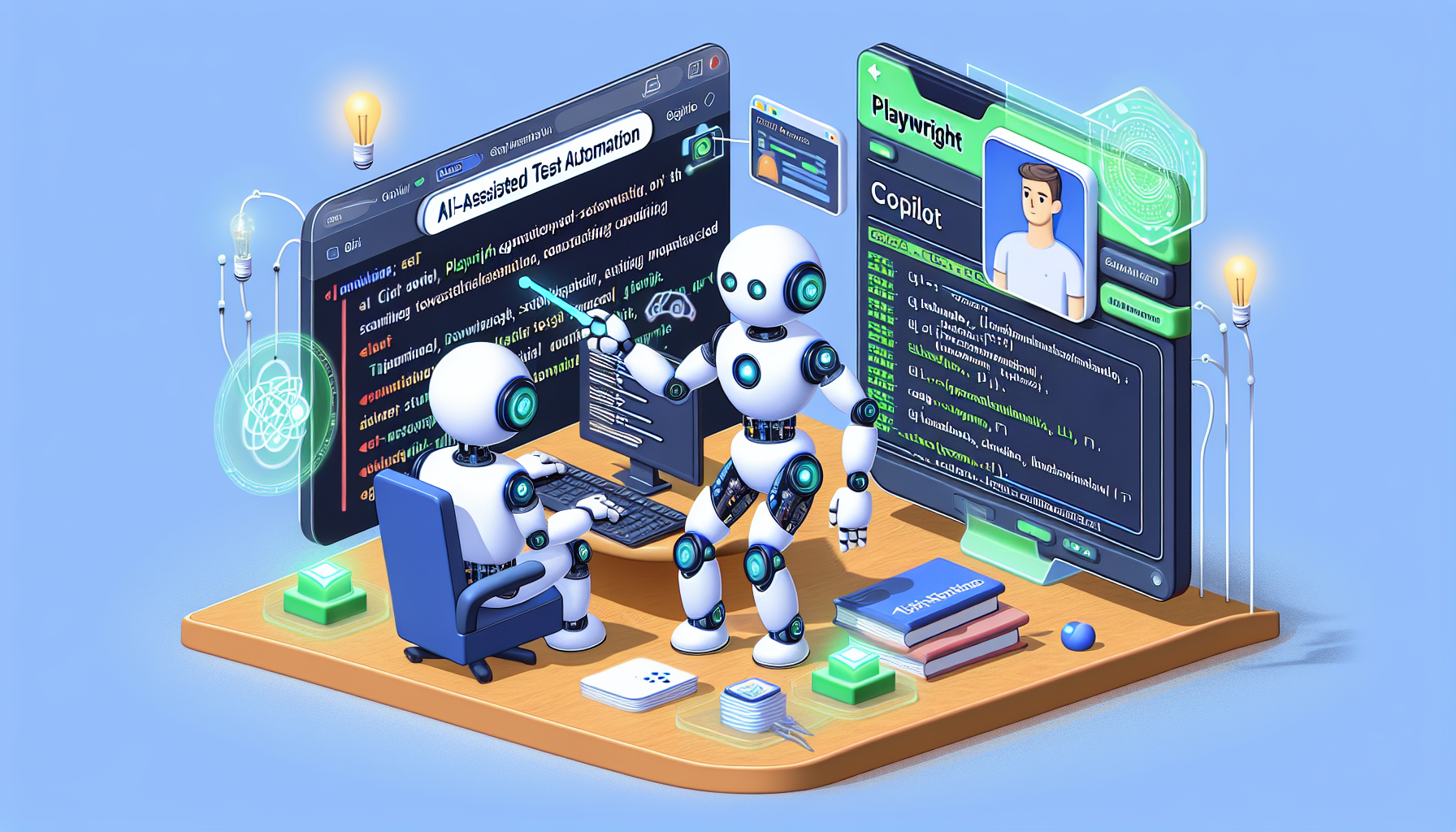
Test automation just got a productivity boost that would make even the most caffeinated developer jealous. GitHub Copilot is turning the tedious task of writing repetitive test code into something approaching actual fun, handling everything from mock data generation to API test patterns with surprising competence. The tool's ability to instantly create test fixtures and boilerplate means developers can focus on the interesting parts of testing rather than typing the same setup code for the hundredth time.
But like that overeager intern who knows all the buzzwords but none of the business context, Copilot has its blind spots. It churns out generic tests that look impressive but miss the nuanced business logic that actually matters. The AI also has a tendency to suggest outdated patterns and relies too heavily on brittle CSS selectors instead of proper test attributes. It's essentially a very smart autocomplete that doesn't understand why your company's user registration flow is different from every other app on the planet.
The real value emerges when teams treat Copilot as a sophisticated writing assistant rather than a replacement for thinking. Smart developers are learning to feed it better context through descriptive comments and established patterns, then carefully review every suggestion. This approach transforms what could be a dangerous crutch into a genuine productivity multiplier. The future of test automation isn't about AI taking over testing, but about humans and AI collaborating to make the whole process faster and less mind-numbing.