Key Takeaways
- AI automation learns and adapts, unlike traditional automation's rigid scripts.
- Companies save costs while freeing humans for creative, strategic work.
- Hyperautomation will soon automate entire departments, not just individual tasks.
Why It Matters
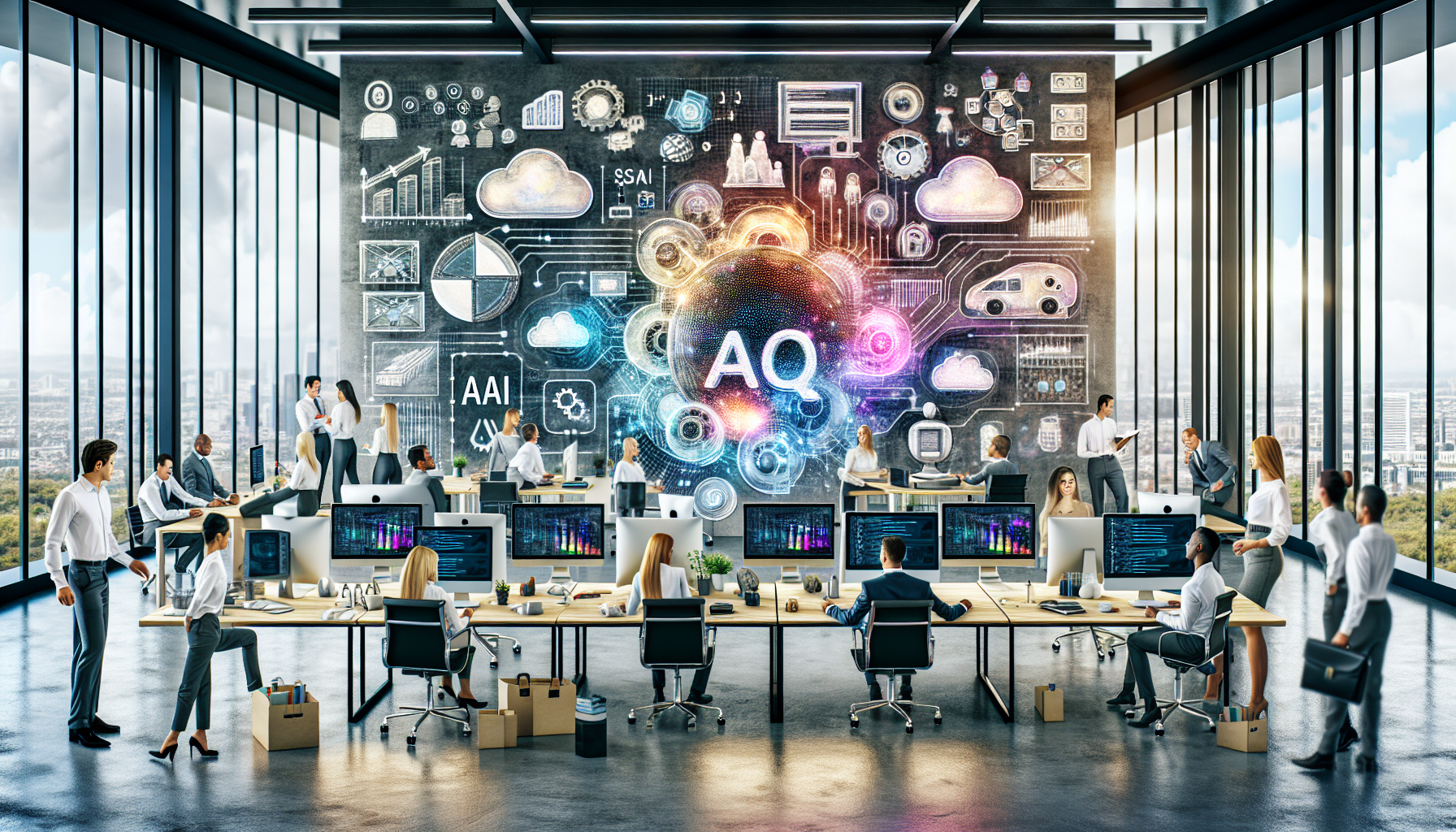
Think your coffee maker is smart because it has a timer? Meet AI automation, the overachiever that makes your appliances look like they're still using dial-up. Modern enterprises are discovering that AI-powered systems don't just follow orders—they learn, adapt, and optimize workflows in real-time. This isn't your grandfather's assembly line automation; it's more like having a digital employee who never calls in sick and actually gets smarter every day.
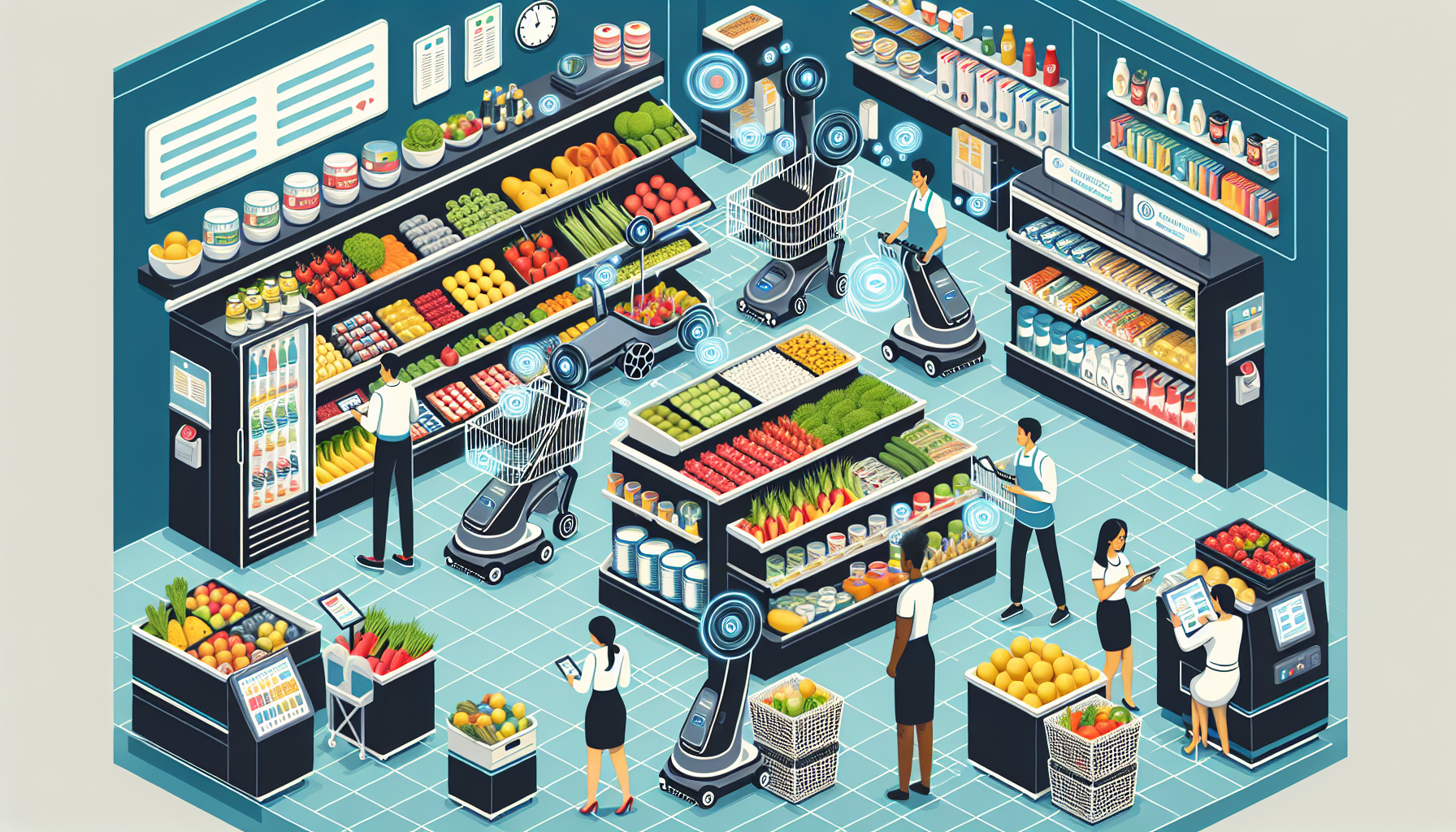
The transformation is already happening behind the scenes in ways most people don't notice. Customer service chatbots resolve 70% of queries instantly, while AI algorithms process invoices and predict cash flow faster than any human accountant with three espressos. Companies like Coca-Cola use AI to automate marketing decisions, and Amazon predicts what you'll buy before you realize you need it. This shift represents more than efficiency gains—it's fundamentally changing how businesses operate and compete.
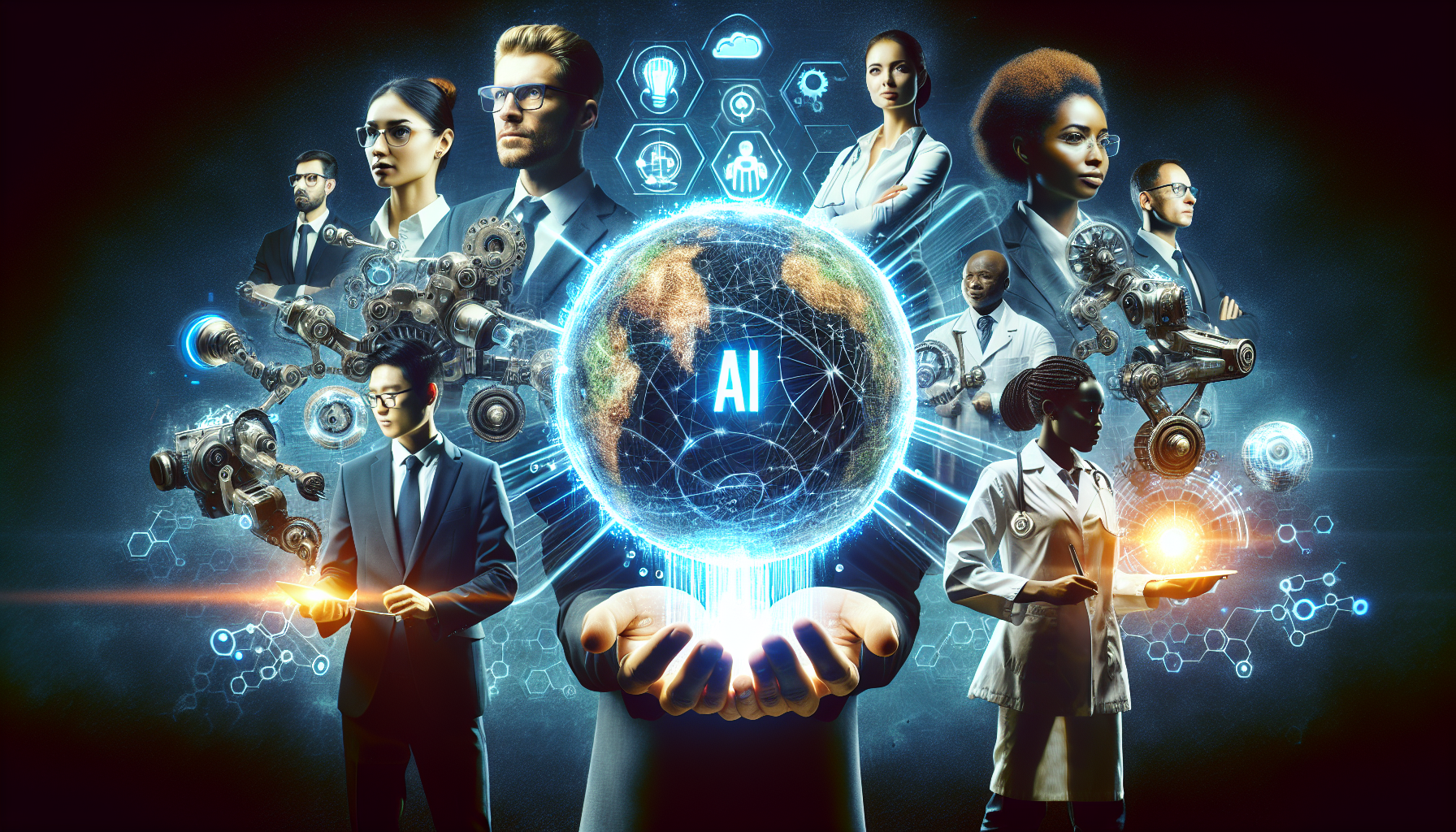
The real magic happens when AI handles the mundane so humans can focus on the meaningful. Instead of replacing workers, smart automation creates an augmented workforce where machines provide precision and humans provide judgment, creativity, and empathy. As hyperautomation approaches—combining AI, machine learning, and IoT—entire departments will run on intelligent systems. The companies mastering this balance between human vision and AI execution won't just survive the efficiency arms race; they'll define the future of work itself.